Wood as a structural material in the outdoors has been utilized since the beginnings of human history. The flexibility, strength, abundance, and properties of wood have made it indispensable as a structural material. It is only necessary to look at our surroundings to see the ubiquitous nature of wood.
In present times, wood’s sustainability and its ability to be used in composites has added to its importance as a structural and engineering material. The degrading effects of weathering and wood preservation techniques will continue to be important areas of scientific inquiry especially in light of the increasing pressure on all critical natural resources.
The environments natural effects are degrading to wood with outdoor exposure. This degradation is mainly a combination of the impact of moisture, light, heat and acid rain. The extent of weather’s effect in wood degradation is determined by each wood’s particular anatomy, chemistry, and the environmental forces acting upon the wood.
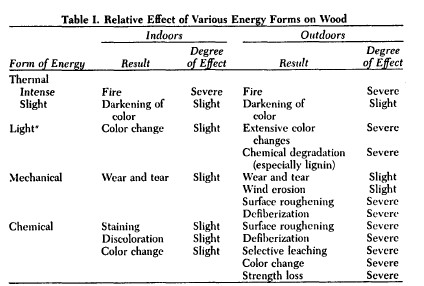
Effects of Anatomy and Structure on Weathering
The anatomical structure of wood includes its physical structure and the chemical composition of these structures. Wood is classified into hardwoods and softwoods. The anatomical differentiation between them has softwoods showing a more uniform density and lacking vessels while hardwoods are more complex and have vessels. These differences cause hardwoods and softwoods to absorb moisture differently. They also have different lignin and cellulose percentages which affect their reaction to UV radiation.
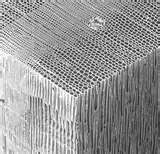
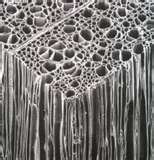
Lignin content varies among species and has a major impact on surface degradation. Weathering solubilizes wood cell lignin therefore increasing the amount of cellulose at the surface. Lignin then undergoes further deterioration through an oxidation reaction initiated by ultra violet light from the sun. This results in surface discoloration.
The structure of a wood piece and its characteristics are also determined by the location in the tree that the piece is cut from. Cell density, cell size, fiber orientation, and lignin content vary in summerwood or latewood, heartwood or sapwood, tension wood or juvenile wood.
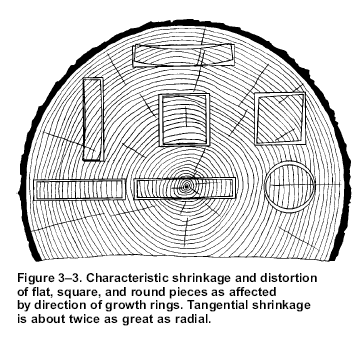
Along with anatomical structure, and lignin chemistry the extractive content of wood can produce many varieties of wood that are highly resistant to absorption and degradation.
Effects of Solar Radiation on Wood
The process of photochemical degradation of the wood surface occurs as lignin absorbs UV radiation from sunlight. The UV radiation produces photon energy that is absorbed at the wood surface initiating a photo oxidation reaction. This oxidation reaction produces free radicals that along with oxygen and water form hydro peroxide that degrades the polymers in wood.
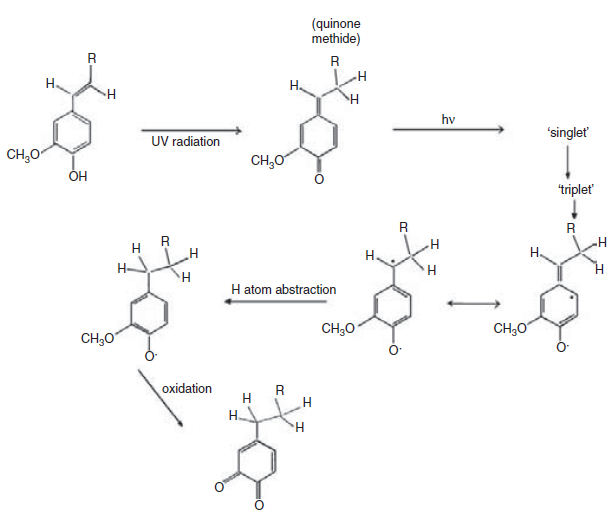
(Anderson et al. 1991 b from Handbook of Wood Chemistry and Composites)
Cross-section, Southern Pine (1000x magnification)
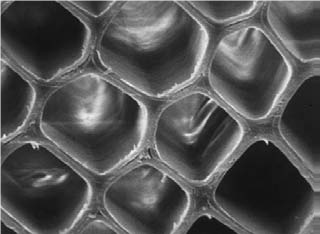
Cross-section Southern Pine, exposed to 1000 hours UV Radiation (1000x magnification)

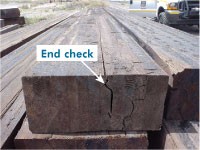
In addition to UV light the heat component of solar radiation damages wood through dehumidification. The continuous cycles of wetting and drying cause end checks, loosening of grain, warp, and splintering.
Effects of Moisture on Wood
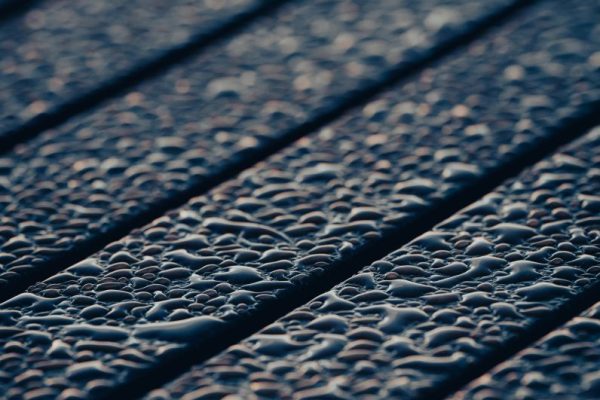
Moisture in the outdoors causes wood to degrade through primarily physical actions. However, water on wood can also hydrolyze the carbohydrates and hemicelluloses in a chemical action. This action strips away surface material resulting in splintering and grain raise.
The constant physical cycles of wetting and drying destabilize wood boards by building stresses due to unbalanced moisture gradients within the board. These stresses result in end checks, warp and splitting. Additionally, physical erosion occurs when water with an abrasive component (i.e. dirt) abrades the wood surface.
Weathered Board Surfaces
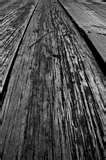
End Checking
Effects of Environmental Pollutants
The primary pollutants causing wood deterioration are acid rain, snow and fog. The main component of acid rain causing degradation is sulfuric acid. Sulfuric acid is formed as sulfur dioxide is emitted into the air from industrial sources on land and combines with water in the atmosphere.

Wikimedia Commons (Public Domain)
According to a USDA Forest Service study, wood exposed to high levels of acid rain degrades twice as fast as wood exposed to distilled water (USDA, Effects of Acid Deposition on Wood)
Methods of Wood Preservation
Protecting wood surfaces requires forming barriers to moisture, solar radiation and pollutants. This is accomplished by two primary methods: film finishes that are built on the surface of the wood and penetrating finishes that enter and bond to the wood itself. Penetrating finishes include water repellents, penetrating stains, and preservatives that contain chromium for UV protection. Film finishes include paints, varnishes and surface water repellents that prevent the environmental elements from reaching the wood surface.
Conclusions
The weathering of wood is both a mechanical and chemical process. The cellular structure of each particular wood and its chemical composition affects the weathering process. This process is further dependent on the types and severity of the environmental forces the wood encounters.
Protecting wood from the effects of weather focuses on forming barriers at the wood surface as well within the cellular structures. The end result is to maximize the life and usefulness of wood in an era of increasing worldwide consumption and decreasing resources.
References
Feist, William C., Hon, David S. Chemistry of Weathering and Protection. In: Rowell, Roger M. The Chemistry of Solid Wood. Advances in Chemistry series 207. Washington, DC: American Chemical Society; 1984: Chapter 11. (267, 418, 419) Web. 10 Dec. 2010
http://www.woodmagic.vt.edu/Images/activities/BigFiber.jpg Department of Wood Science and Forest Products. Web. 10 Dec. 2010.
http://www.finewoodworking.com/assets/uploads. Web. 10 Dec. 2010.
U.S. Department of Agriculture. The Encyclopedia of Wood. New York. 1999. 3-8
Williams, Sam R. “Weathering of Wood.” Handbook of Wood Chemistry and Wood Composites. 2005
Williams, Sam R. USDA Forest Service. Wood Surface Chemistry. Effects of Acid Deposition on Wood. May 2002
Wolman Wood Care Products. “The Damaging Effects of Weather on Wood”. http://www.wolman.com. Web. 10 Dec. 2010.
https://commons.wikimedia.org/wiki/File%3ASulfuric_acid_chemical_structure.png Web. 10 Dec. 2010.